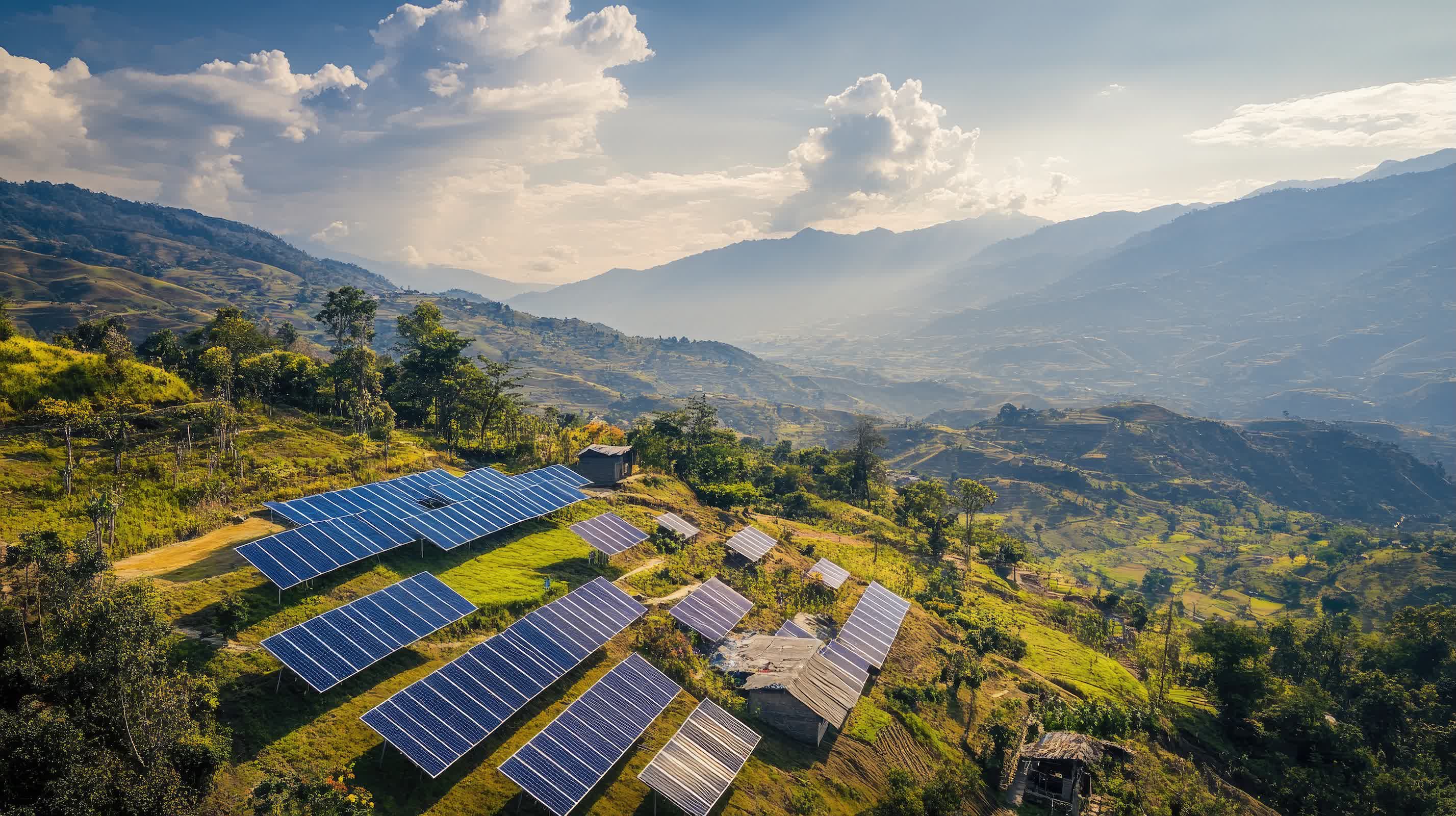
At Bestway Cement's plant in Chakwal, Pakistan, solar already supplies more than a quarter of the electricity used to make cement. The company has 26MW installed and...
Steel is a lot more tricky as generally fossil fuels are burnt directly inside the blast furnace. There are a few alternative “green steel” processing routes that avoid this but iirc none of them are hugely competitive at the moment.
There’s some sort of electrolytic process similar to aluminium available, but yes the reaction that turns iron ore into iron is:
Iron oxide + carbon monoxide + heat ->
A redox reaction where oxygen atoms are transferred from iron oxide to carbon monoxide ->
Iron + CO2.
Heat and CO is conveniently provided by burning coal/coke in a blast furnace in the presence of a lot of oxygen.
You can pretty much just chuck layers of coke and iron ore in the top of your blast furnace, pump high pressure oxygen into the centre, and get molten iron straight out the bottom.


Steel is a lot more tricky as generally fossil fuels are burnt directly inside the blast furnace. There are a few alternative “green steel” processing routes that avoid this but iirc none of them are hugely competitive at the moment.
There’s definitely some in Germany. Iirc they use hydrogen generated from electrolysis
There’s some sort of electrolytic process similar to aluminium available, but yes the reaction that turns iron ore into iron is:
Iron oxide + carbon monoxide + heat ->
A redox reaction where oxygen atoms are transferred from iron oxide to carbon monoxide ->
Iron + CO2.
Heat and CO is conveniently provided by burning coal/coke in a blast furnace in the presence of a lot of oxygen.
You can pretty much just chuck layers of coke and iron ore in the top of your blast furnace, pump high pressure oxygen into the centre, and get molten iron straight out the bottom.